In 2026, the landscape of lead generation has undergone a radical transformation. The era of manual, bulk scraping is dead; in its place, we have the rise of high-intent intelligence. Businesses that once viewed Google Maps as a static digital phonebook now recognize it as the most potent, real-time source of global prospecting signals. This shift marks a transition from volume-based lead harvesting to precision-guided revenue operations. To compete today, organizations must pivot from outdated scraping scripts toward an agentic framework that treats every Google Business Profile as a dynamic data point.
The Strategic Pivot: From Local Directory to Global Prospecting Engine
Why 2026 is the Tipping Point for Localized B2B Data
Local data is no longer just for retail foot traffic; it is the backbone of modern B2B account mapping. As economic volatility persists, the ability to identify businesses with hyper-local intent those actively soliciting reviews and updating their presence provides a competitive edge. These businesses are already in "growth mode," making them ideal targets for B2B solutions.
High-Intent Signals: Leveraging Star Ratings and Google Reviews as Sales Triggers
Reviews are the ultimate proxy for business health. A sudden spike in negative reviews, or a consistent flow of glowing feedback, signals operational changes that often precede a need for new vendor relationships. By monitoring review sentiment, sales teams can time their outreach to coincide with the customer's peak need for improvement or expansion.
Moving from "Dry" Scraping to Strategic Sales Intelligence
The evolution of lead generation: moving from basic data extraction to context-rich sales intelligence.
Traditional scraping focuses on extraction; intelligent prospecting focuses on context. Instead of just grabbing a phone number, modern revenue teams leverage Leads Sniper to pull review velocity, service area modifications, and engagement timestamps fully qualifying prospects before a single email is sent.
Beyond the Spreadsheet: The Rise of the Agentic Data Cloud

The Evolution of Data Collection: From Python Scripts to Autonomous Agents
While raw Python code served early adopters, 2026 belongs to the Autonomous Agent. These agents do not simply extract data; they interpret it. By utilizing autonomous workflows, businesses can monitor thousands of profiles concurrently, triggering alerts only when a prospect meets specific, high-intent criteria.
How the Gemini Enterprise Agent Platform Automates Lead Qualification
The Gemini Enterprise Agent platform serves as the brain of this operation. It processes unstructured data such as business descriptions and localized post updates to determine if a company fits your ideal customer profile. This removes the manual burden from your sales development reps, allowing them to focus on closing rather than researching.
Implementing the Model Context Protocol for Real-Time Data Enrichment
The Model Context Protocol (MCP) allows your agents to interface with live data feeds seamlessly. By keeping your prospect list perpetually refreshed via MCP, you ensure that your sales team is always working with the most current data, eliminating the "stale lead" problem that plagued CRM systems for years.
Building a Modern Prospecting Stack for 2026

Technical Extraction: Google Maps API vs. Specialized Google Maps Scraping Tools
While the official Google Maps API provides stability, it can become cost-prohibitive at scale. Specialized, policy-aware scraping tools offer a middle ground for high-volume operations, provided they maintain strict compliance with Google’s evolving guidelines.
Integrating Raw Maps Data with Salesforce and CRM Workflows
Data is only as valuable as its accessibility. By pushing enriched Maps data directly into your CRM, you create a seamless loop. When a new prospect is identified on Maps, the system automatically cross-references it with existing accounts, preventing duplicates and ensuring your sales outreach remains coordinated.
The Importance of Data Cleansing: Removing the Noise from Business Data
Raw data is often messy. Implementing an automated cleansing layer ensures that your database remains high-fidelity. By filtering out "ghost" profiles and non-responsive entities, you protect your domain reputation and ensure your email deliverability remains high.
Security Built for the AI Era: Protecting Your Proprietary Lead Lists
As data becomes a primary asset, security is paramount. Encrypting your lead lists and maintaining strict access controls ensures that your proprietary intelligence remains yours. Use decentralized storage to mitigate risks associated with centralized cloud vulnerabilities.
Identifying High-Value Opportunities through Hyper-Local Targeting
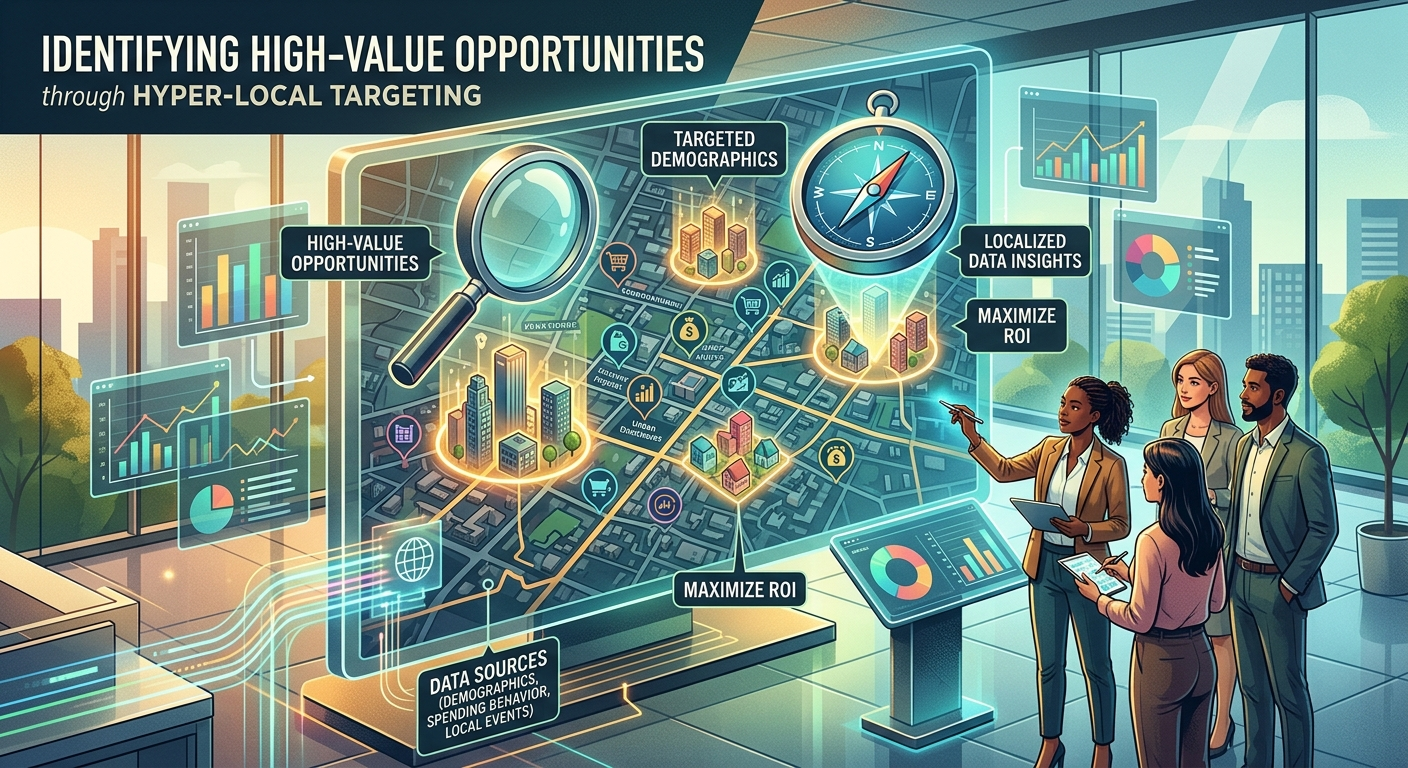
Niche Targeting: Mapping Footprints for Specialty Shops and Coffee Beans
Small, independent niches often have the highest lifetime value. By visualizing the physical footprint of specialty providers, you can identify regional clusters where demand is underserved, allowing for highly specific marketing campaigns that resonate with a local community.
Strategic US Expansion: Using Maps to Identify Unsaturated Territories
Maps data allows you to perform "digital site selection." By analyzing the density of competitors in specific zip codes, you can identify which regions are prime for entry, saving millions in misdirected marketing spend.
Enterprise Account Mapping: Visualizing Physical Locations to Build Org Charts
For enterprise sales, understanding where a company operates is vital. Mapping physical locations helps you visualize organizational structures and regional hubs, providing the context needed to personalize your approach to decision-makers within a massive enterprise.
The Enrichment Lifecycle: Turning Business Data into Revenue

Connecting Google Business Profiles to Social Media Profiles and Contact Forms
Cross-referencing a business’s Google presence with its social media activity creates a 360-degree view of the prospect. If a firm is active on YouTube Shorts, it indicates a digital-first culture, whereas a heavy focus on community engagement might suggest a different set of needs.
FFUtilizing Chrome Extensions for On-the-Fly Prospecting
Equip your SDRs with specialized Chrome extensions that pull real-time Maps data directly into their browser. This allows for immediate, on-the-fly qualification during cold-calling or research sessions, drastically reducing administrative downtime.
Bridging the Gap Between Online Visibility and Offline Sales & Marketing
The true power of Maps data lies in its ability to predict offline behavior. When a business optimizes its local visibility, it signals that they are investing in growth. Aligning your marketing message to meet them at this inflection point is the key to closing high-ticket deals.
Conversion Mastery: Turning Map Leads into Closed Deals
Hyper-Personalized Outreach: Integrating Maps Data into Email Marketing Campaigns
Generic templates fail in 2026. Use the specific details gathered from their Google profile such as their most recent positive review or a shift in their service hours to craft hyper-personalized emails that prove you have done your homework.
Leveraging Video Marketing and YouTube Shorts for Local Authority
Video is a trust-builder. By creating localized content that addresses the specific challenges faced by businesses in certain sectors, you can position your brand as an authority long before your first sales call.
High-Intent Search Strategies: Moving Leads from Discovery to Decisions
Use your enriched data to inform your Google Ads strategy. By bidding on high-intent keywords that align with the locations of your best prospects, you ensure that your brand is visible to those who are already actively searching for a solution.
The Compliance-First Growth Framework
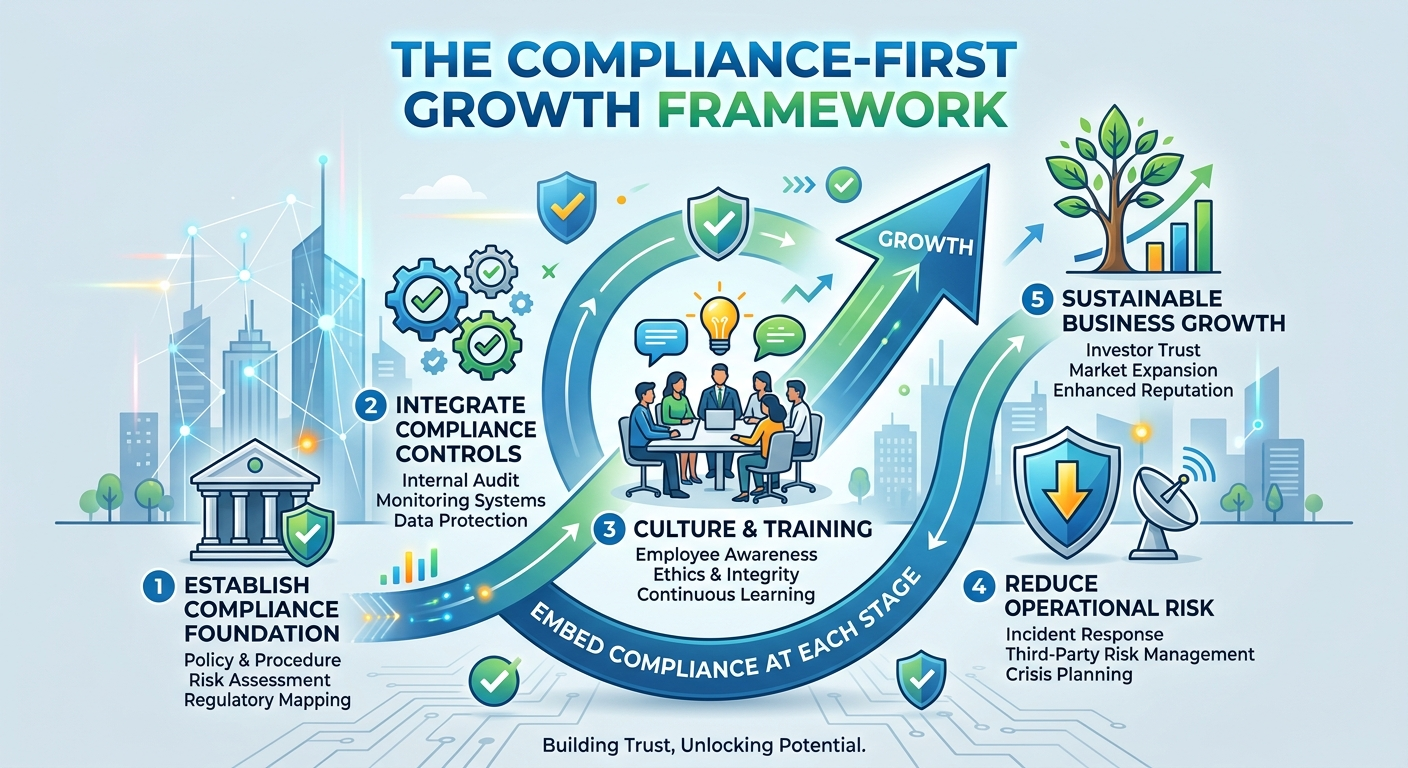
Navigating Google’s Terms of Service and Privacy Policies in 2026
Compliance is your greatest competitive advantage. By adhering strictly to the latest policies, you ensure the longevity of your prospecting engine. Avoid aggressive, unauthorized bulk-scraping techniques that trigger security flags.
Ethical Data Collection: Adopting the Universal Commerce Protocol
Adopting an ethical data collection standard ensures that your business remains sustainable and reputation-proof. Transparency is key; always ensure that your interactions provide value back to the community you are prospecting.
Positioning Compliance as a Competitive Advantage in B2B Sales
When you pitch to prospects, demonstrate that your data-gathering methods are secure and compliant. In an era of rampant data privacy concerns, being "the clean company" makes your firm a safer, more attractive partner for enterprise-level clients.
Conclusion
The explosion of Google Maps lead generation in 2026 is driven by the shift from passive observation to intelligent, agentic interaction. By moving beyond simple scraping to a robust, compliance-first, AI-driven framework, your organization can turn raw location data into a repeatable revenue machine. The future of B2B sales belongs to those who can synthesize local signals into global strategy. Implement these workflows, prioritize data integrity, and begin treating every pin on the map as an open door to your next major partnership. The technology is ready; the question is whether you are prepared to lead.