Filling a pipeline with qualified prospects often feels like a full-time job. You spend hours researching contacts, sending outreach emails, and tracking responses, only to realize half your data is outdated. This manual process drains your resources and pulls your attention away from actually closing deals.
Lead generation tools solve this exact problem. They automate the heavy lifting of finding and engaging prospects, giving your sales team more time to build relationships. Choosing the right software can completely transform your revenue engine.
This guide will show you exactly how to evaluate your options. We will cover what these platforms do, the features you actually need, 2026 industry trends, and a step-by-step process for making the right choice for your small business.
What Are Lead Generation Tools?
Lead generation tools are software platforms designed to help you identify, attract, and engage potential buyers. They capture interest from your target audience and move those prospects into your sales funnel.
Instead of relying on manual research or generic cold calls, these platforms use data and automation to streamline your growth strategy. They bridge the gap between marketing and sales, ensuring no opportunity slips through the cracks.
Whether you focus on inbound marketing by capturing website visitors or rely on outbound marketing to reach decision-makers directly, the right software makes the process efficient. These tools gather contact information, track user behavior, and help you qualify leads before a sales rep ever picks up the phone.
Why Small Businesses Need Lead Generation Tools in 2026
The landscape of B2B sales changes rapidly. In 2026, buyers conduct more independent research than ever before. They expect personalized communication and quick responses. Small businesses and SaaS agencies cannot keep up using spreadsheets and manual emails.
Shifting Focus to First-Party Data
With the decline of third-party cookies, businesses must rely on first-party data. Lead generation software helps you capture and own this information directly from your website visitors and email subscribers. This gives you a massive competitive advantage when building targeted campaigns.
The Rise of AI and Automation
Modern AI tools do more than just send emails. They analyze buyer behavior, predict which prospects are most likely to convert, and trigger personalized follow-ups instantly. This level of automation allows a small team to perform like a massive enterprise sales floor.
Real-World Use Case
Consider a boutique marketing agency struggling to find new clients. By implementing a website visitor identification tool connected to their CRM, they stopped guessing who was interested. The software alerted them when a target company visited their pricing page. The sales team reached out within minutes, equipped with the exact context needed to close the deal.
Types of Lead Generation Tools

Not all lead generation tools serve the same purpose. Understanding the different categories will help you build a tech stack that fits your specific workflow.
Inbound Capture and Conversion
These tools focus on turning your existing website traffic into actionable contacts. They include smart pop-ups, dynamic forms, and landing page builders. If your strategy relies heavily on content marketing and SEO, these platforms are essential.
Outbound Prospecting and Data Enrichment
When you need to hunt for specific decision-makers, you need outbound tools like Leads Sniper. Data enrichment platforms provide verified email addresses, phone numbers, and company insights. They allow your reps to build highly targeted lists based on industry, company size, and job title.
CRM and Pipeline Management
A Customer Relationship Management (CRM) system acts as the central hub for all your lead data. It tracks every interaction, from the first website visit to the final signed contract. A strong CRM ensures your sales and marketing teams stay perfectly aligned.
Multi-Channel Automation
These platforms manage your outreach sequences. They allow you to schedule emails, LinkedIn messages, and follow-up tasks in one cohesive campaign. When a prospect replies, the automation pauses, allowing a human rep to take over the conversation.
Key Features to Look For
Choosing the right platform requires looking past the marketing hype. You must evaluate the features that will actually drive revenue for your business.
Pricing and Cost-Effectiveness
Small businesses operate on tight budgets. Look for transparent pricing models that fit your current needs. Avoid platforms that lock you into massive enterprise contracts with features you will never use. Pay attention to how the pricing scales as your contact list grows.
Scalability and Integrations
Your software should grow with you. Ensure the platform integrates seamlessly with the tools you already use. A lead generation tool that does not talk to your CRM will create data silos and massive headaches for your team.
Intelligent Lead Scoring
Not every lead is ready to buy. Look for platforms that offer automated lead scoring. This feature assigns points to prospects based on their actions, such as opening an email or visiting a specific web page. It helps your team prioritize the warmest leads first.
How to Choose the Right Tool (Step-by-Step)
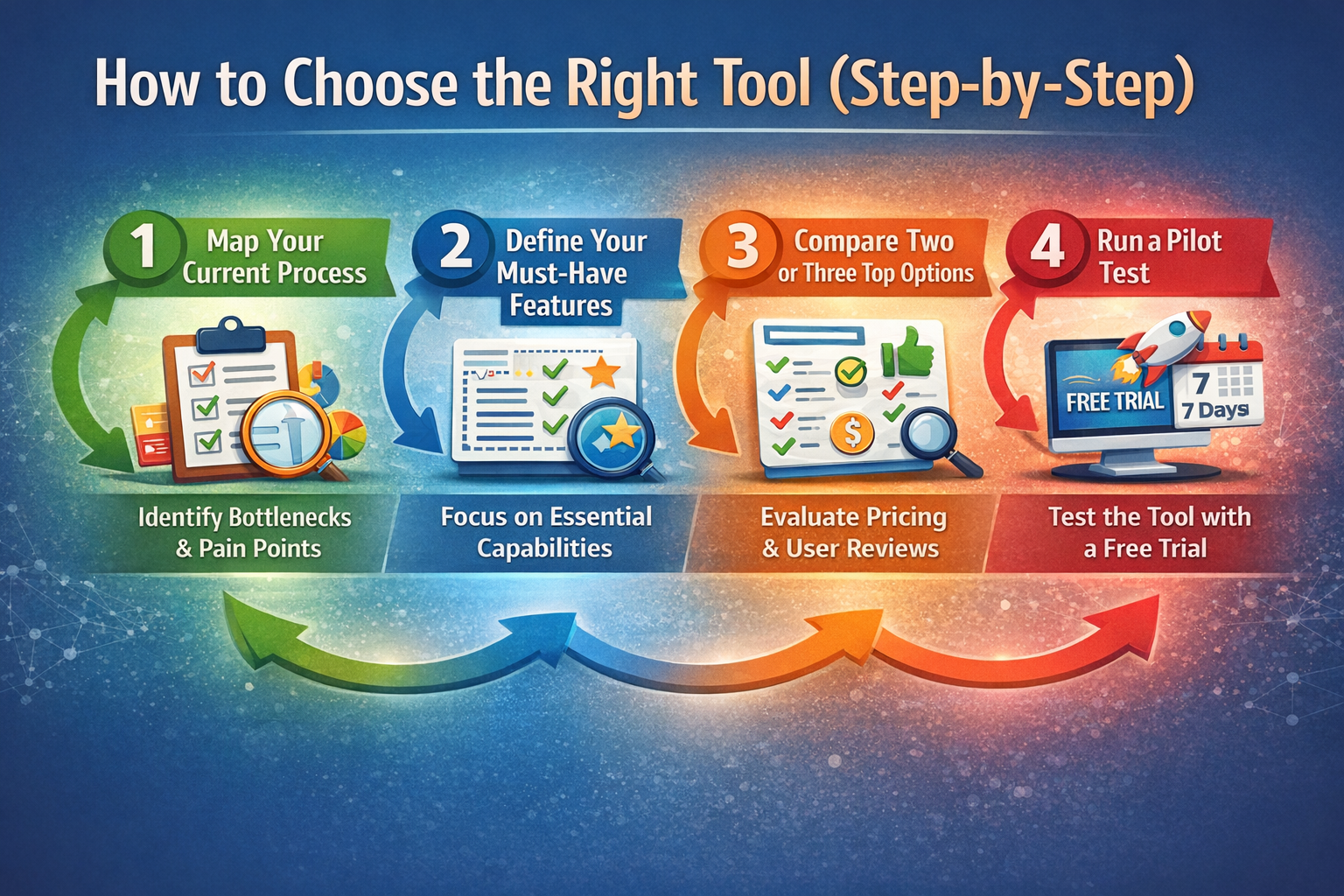
Selecting the best software does not have to be overwhelming. Follow this simple process to find the perfect fit for your agency or SaaS startup.
Step 1: Map Your Current Process
Document exactly how you currently find and manage leads. Identify the bottlenecks. Do your reps spend too much time researching emails? Are inbound leads falling through the cracks? Knowing your biggest pain points makes it easier to find a solution.
Step 2: Define Your Must-Have Features
Separate your needs from your wants. If you run a purely outbound sales team, a robust data enrichment feature is non-negotiable. If you rely on inbound traffic, prioritize strong form builders and exit-intent pop-ups.
Step 3: Compare Two or Three Top Options
Narrow your list down to a few strong contenders. Look at software comparison insights on trusted review sites. Evaluate their user interfaces, customer support options, and training resources.
Step 4: Run a Pilot Test
Never sign a long-term contract without testing the software first. Most reputable platforms offer a free trial. Have your core team use the tool for a week to see if it genuinely improves their daily workflow.
Common Mistakes to Avoid
Even with the best intentions, companies often make critical errors when implementing new software. Watch out for these common traps.
Buying Software for the Wrong Strategy
Purchasing a top-tier outbound prospecting tool will not help if your entire business model relies on inbound content marketing. Always align your software purchases with your actual revenue strategy.
Ignoring Data Accuracy
A massive list of contacts is worthless if the emails bounce. Prioritize tools that verify data in real-time. Poor data accuracy ruins your sender reputation and wastes your sales team's valuable time.
Overcomplicating the Tech Stack
Small businesses often buy too many separate tools. This leads to broken integrations and confused employees. Whenever possible, choose all-in-one platforms that combine your CRM, automation, and email outreach into a single dashboard.
How Our Leads Sniper Tool Upgrades Your Lead Generation
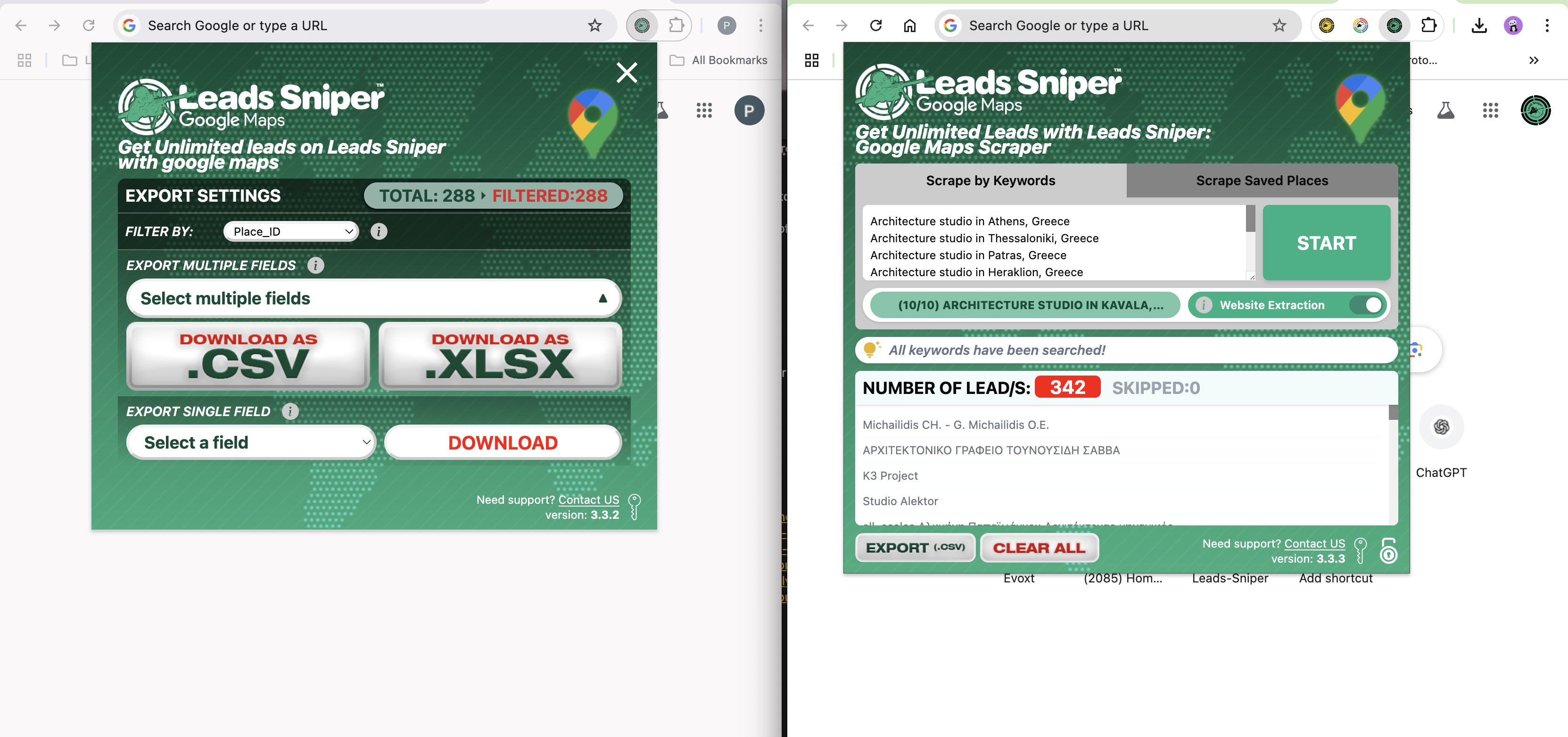
Finding the right mix of features can be exhausting. We built our platform specifically to solve the biggest challenges small businesses face when scaling their pipeline.
Better Lead Targeting
Stop wasting time on unqualified prospects. Our advanced filtering helps you pinpoint exact decision-makers based on industry, company size, and buyer intent. You get straight to the people who actually need your services.
Seamless Automation
We handle the repetitive administrative tasks so your team can focus on selling. Set up intelligent email sequences that automatically follow up with prospects based on their behavior. You stay top-of-mind without lifting a finger.
Unmatched Data Accuracy
We verify all contact information in real-time. You never have to worry about high bounce rates or calling disconnected numbers. Clean data means higher deliverability and more successful connections.
Proven Cost-Effectiveness
We believe powerful growth tools should not require an enterprise budget. Our flexible pricing scales with your business, giving you access to premium features without the bloated overhead costs.
Conclusion
Choosing the right lead generation tools is one of the most important decisions you will make for your small business. The right platform eliminates manual data entry, aligns your sales and marketing efforts, and helps you close deals faster.
Focus on platforms that offer clean data, intelligent automation, and seamless CRM integrations. By avoiding overly complex setups and aligning your software with your specific sales strategy, you will build a predictable, scalable revenue engine.
Ready to stop chasing unqualified prospects and start having meaningful sales conversations? Start your free trial of our platform today and see the difference clean data and smart automation can make for your pipeline.